The AI Art Renaissance: Creativity Gets a Digital Sidekick
Hey there, fellow tech aficionados! Picture this: one lazy Saturday afternoon, I was sipping on my third coffee, halfway through a frustrating game of chess with my cat (don’t ask), when my phone buzzed with a notification from an artist friend. They couldn’t wait to show me a stunning piece of artwork they’d just “co-created” with—get this—an artificial intelligence. Yep, AI, the same enigmatic force that’s out here driving cars and defeating world champions at Go, is now picking up the paintbrush and splattering a bit of magic across the canvases of the world. Let’s dive into this fascinating fusion of art and algorithms!
The Artistic Evolution
From Digital Brushes to Neural Networks
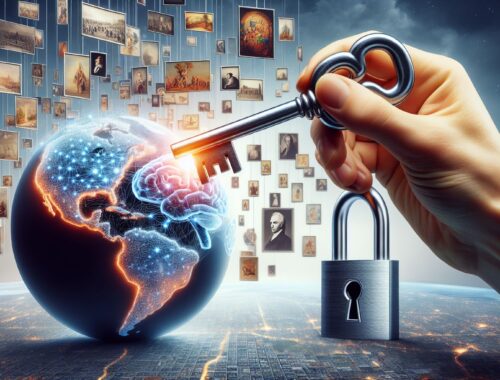
Once upon a time, digital art was revolutionized by the mere existence of tools like Photoshop, giving artists the power to undo mistakes and experiment with colors at the click of a button. Fast forward to today, and we’ve got AI algorithms like DALL-E from OpenAI, which are not just assisting artists but actively collaborating with them. These models utilize deep learning to understand artistic styles and create compositions that are both enthralling and downright uncanny. It’s like having a digital Picasso in your pocket.
Inside the Black Box: How It Works
For those of you scratching your heads, wondering how these AIs can churn out such mesmerizing art, let’s break it down. AI art tools are powered by neural networks trained on thousands, if not millions, of images. Through a technique called Generative Adversarial Networks (GANs), these models can craft images that authentically resemble human-made art. Essentially, you’ve got one neural network trying to create realistic images while another tries to tell which ones are fake. It’s a digital tug-of-war that results in some pretty breathtaking art.
The Human Element
Artists and Their New Muse
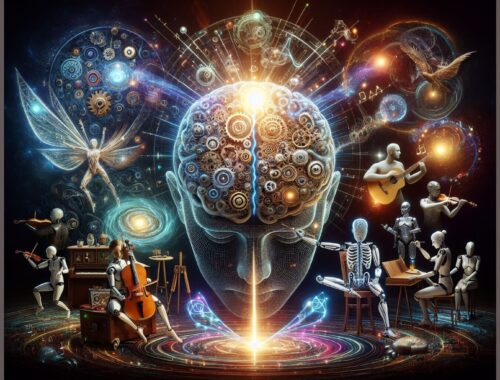
So, what’s it like for the artists themselves? My friend, the one who buzzed my phone earlier, described it as having a muse that never sleeps. Imagine rubbing sleep from your eyes at 3 AM, bursting with inspiration, and your AI partner is right there, ready to visualize your dreams. Artists are finding that AI can not only craft images but also inspire entirely new artistic directions.
The Skeptic’s Viewpoint
Of course, it wouldn’t be a revolution without a little controversy. Some artists argue that AI art lacks the emotional depth and intention of human-created works. Others fear it might even replace human artists altogether. It’s a valid concern, no doubt. But if history has taught us anything, it’s that new technologies don’t obliterate art forms; they expand them, providing fresh ways to express human creativity.
The Future Brushstrokes
Imagining the Art Galleries of Tomorrow
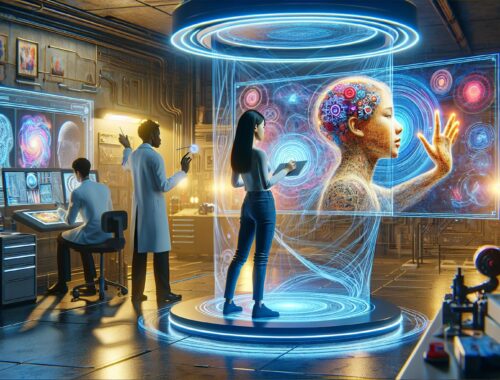
Let’s fast-forward a bit, shall we? Imagine galleries where visitors can experience artwork continuously evolving, thanks to AI systems adjusting to the viewer’s emotions in real-time. We could witness interactive artworks that change based on an audience’s input—a more immersive and personalized art journey than ever before. It’s like the art world turning into a choose-your-own-adventure novel, and friends, I’m here for it!
Challenges on the Horizon
But, just like any technological advancement, AI in creative arts does come with its fair share of hurdles. From ethical concerns surrounding plagiarism and originality to the legalities of ownership and copyright, there’s a lot to untangle. Not to mention the fear of becoming overly reliant on technology, reminiscent of those sci-fi dystopias we daydream about.
Collaborative Renaissance
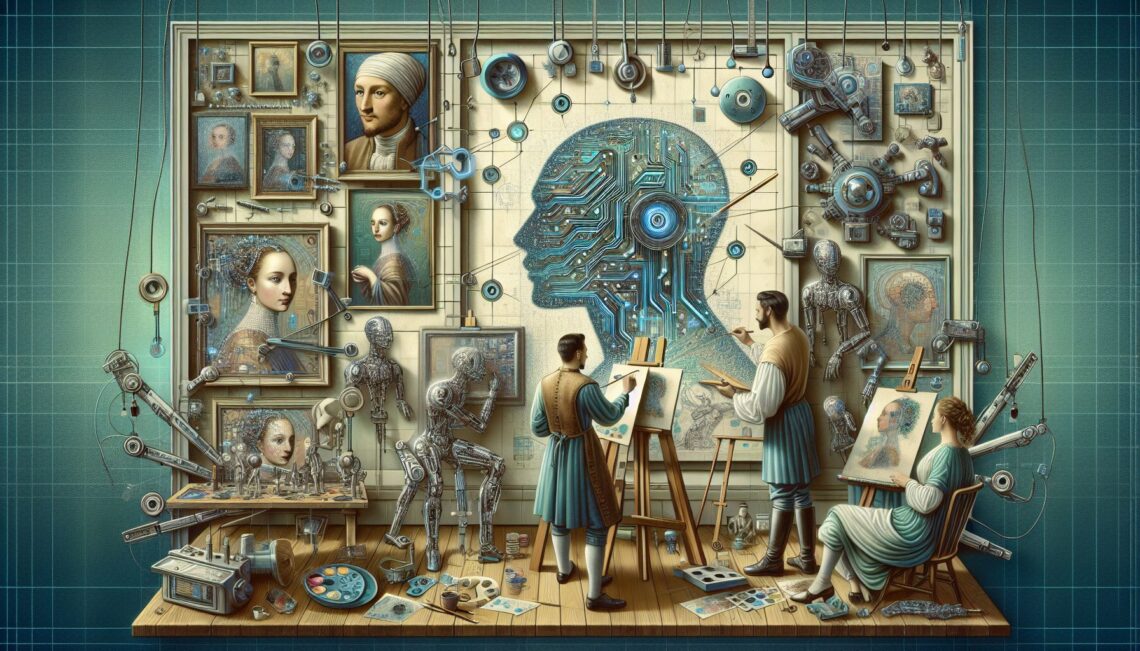
However, imagine a Renaissance made not just by human hands but by an entire species collaborating with machines. That fusion can lead to interpretations of humanity through the prism of technology—a unique perspective that could enrich our understanding of both art and our own digital creations.
My Two Cents
As someone deeply entrenched in the world of tech, it’s hard not to be ecstatic about these advancements. Sure, the robots aren’t about to replace Van Gogh, but they’re certainly giving us all a run for our money—or creativity, as it were. The partnership between human and machine in creative arts feels like finding a new color—with slightly unexpected hues—on the palette of creativity. It’s less about who—or what—is the artist and more about how these collaborations can expand the horizons of our imagination.
So, keep your eyes peeled the next time you stroll through an art show or peruse the latest digital art collection online. That piece you can’t take your eyes off? Its creators might just be more than meets the eye.
Stay curious, stay creative, and maybe, befriend a digital Picasso or two along the way!
Cheers to the emerging techno-utopia and all the wonders it brings our way!