Cracking the Code of Longevity: How Technology is Making Us Live Longer and Better
Hello, fellow tech aficionados! Today, we’re diving deep into a topic that combines cutting-edge technology, a sprinkle of science fiction vibes, and a dash of humanity’s oldest dream: living longer, healthier lives. Yep, we’re talking about the magnificent maelstrom of innovation swirling around the field of longevity. Whether you’re a die-hard optimist or someone peering at the future with a bit of skepticism, there’s something electrifying about the prospect of extending our lifespans—and not just by a measly few years, but by decades, possibly even centuries. So, grab your favorite beverage (I’ve got my trusty coffee here), sit back, and let’s explore the techno-utopian universe of longevity.
The Science Meets the Sci-Fi
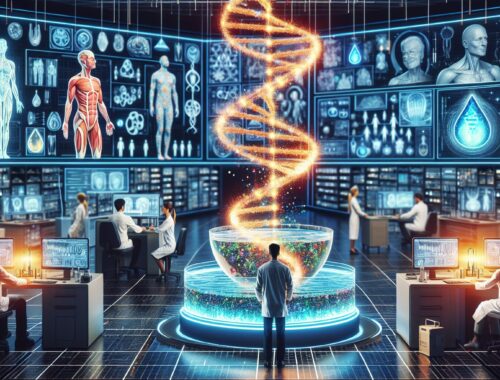
First off, let me plant a juicy seed in your mind. Imagine living to 150 years with the vitality you had at 30. Sounds like something out of a science fiction novel, right? But, as it turns out, we might not be as far from this reality as you’d think. We’re witnessing a glorious confluence where the latest in biotech, AI, and even nanotechnology are converging, unlocking secrets once thought to be pure fantasy.
The Biotech Revolution
Let’s start with the heavy hitters in biotech. CRISPR and gene therapy are practically household names these days, but their implications for longevity are no less jaw-dropping. Scientists are exploring ways to repair damaged DNA, edit out disease-causing genes, and even potentially reverse the aging process itself. Companies like Calico Life Sciences, founded by Google, are plowing money into research aimed at cracking the biological clock.
And then there’s something called “senolytics”—a new class of drugs aimed at clearing out senescent cells (those pesky cells that no longer divide and cause all sorts of havoc by spewing inflammatory signals). Early trials show promise in improving healthspan and lifespan, though it’s all still in the ‘experimental’ phase. Feels like we’re living in the midst of a biotech renaissance, doesn’t it?
AI: The Unsung Hero
We can’t talk about technological breakthroughs without giving a major shout-out to AI. Artificial intelligence is revolutionizing how we understand and tackle aging. From drug discovery to personalized health assessments, AI is making it possible to analyze and utilize huge datasets that were previously untouchable.
Personal Health Entourage: Your Very Own AI Doctor!
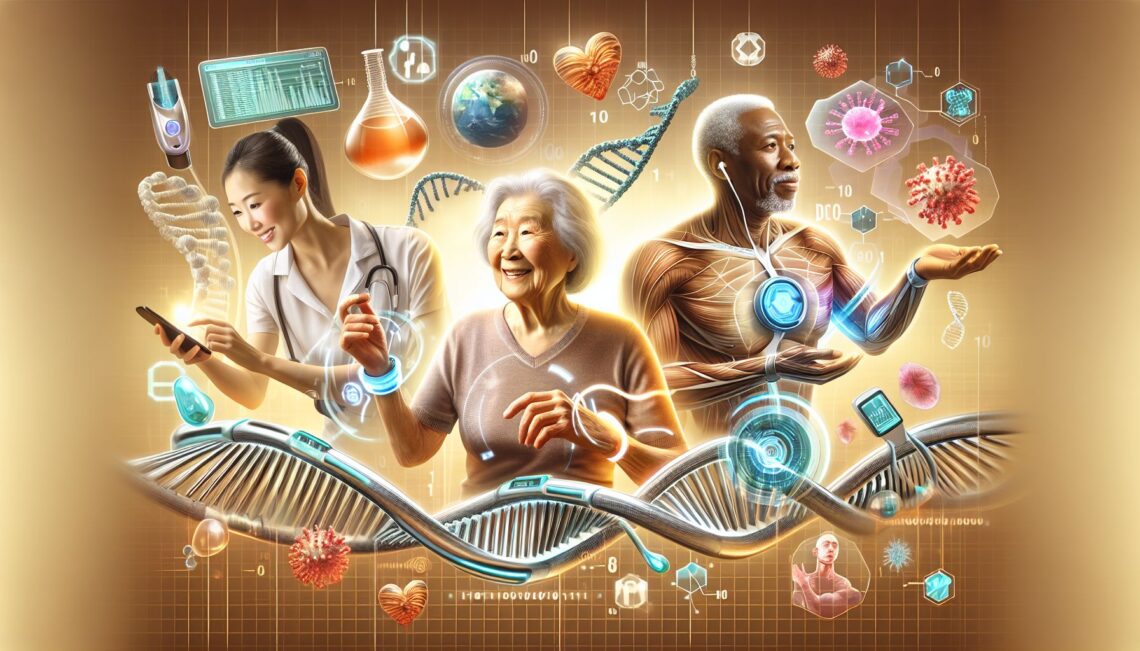
Imagine having an AI-powered personal health assistant that knows your medical history better than you do and can predict and prevent health issues before they become serious. With AI, this is becoming more plausible every day. AI algorithms are already being used to tailor treatments to individual genetic profiles—think of it like a custom-tailored suit, but for your health. Companies like DeepMind are making waves by using AI to predict protein folding, a crucial piece of the longevity puzzle.
The Ethics of Forever
Of course, extending human life comes with its own hefty baggage of ethical questions. Should we try to live forever? Would it exacerbate socio-economic divides? The debate isn’t just for philosophers and ethicists anymore—it’s a conversation that needs to include technologists, policymakers, and, frankly, anyone who cares about the future of our species.
The Price Tag: Who Gets to Live Longer?
Let’s chew on this for a sec: What good is a technological breakthrough if it’s only accessible to a privileged few? Longevity treatment needs to be scalable and affordable to truly tip into a utopian future rather than a dystopian one. Plenty of startups are working toward making these innovations accessible, but it remains a massive challenge. And let’s not forget about the environmental impact of potentially millions of people sticking around far longer than nature originally planned.
The Road Ahead: Speculation or Certainty?
Now for the million-dollar question: When will these longevity breakthroughs become mainstream? If you’re waiting for a guaranteed timeline, I hate to break it to you, but there’s none—yet. However, the pace at which technology is advancing suggests that we may see some significant leaps within the next few decades. We’re talking enough time for most of us reading this to potentially benefit from them.
Tech Startups Leading the Charge
Startups like Unity Biotechnology are targeting the aging process directly, focusing on eliminating damaged cells before they cause harm. And then there’s Altos Labs, which is pursuing cellular reprogramming in a bid to ‘reset’ our biological clocks—backed by, you guessed it, Jeff Bezos himself. What can’t the man throw his resources at?
Conclusion: Are We Ready to Live Forever?
So, are we ready for a future where “old age” as we know it becomes a quaint concept? The future is filled with both thrilling opportunities and complex challenges. Whether the promise of these technologies fulfills its potential is still up for debate, but one thing is for sure: We’re on one heck of an exhilarating ride toward longevity.
If you’re as psyched about the future as I am, then stay tuned, because the longevity train has just left the station, and it’s speeding up faster than ever. Here’s to sci-fi dreams inching closer to reality, one breakthrough at a time! Cheers to technology, and here’s hoping we all meet again in 2123, celebrating our 150th birthdays, maybe on Mars. Wouldn’t that be something?