Artificial Intelligence: The Creative Maestro We Didn’t See Coming
Hey there tech enthusiasts and curious minds! Today, I’m stepping into the fantastic world of Artificial Intelligence, but with a twist that might pique your interest: AI in the creative arts. Yep, we’re talking about robots that paint, compose symphonies, and can even write you a play to rival Shakespeare. I know, it sounds a bit like a Black Mirror episode, but stick with me because the reality is a techno-utopian dream that’s unfolding by the minute.
The Dawn of Creative Machines
Remember the days when we thought AI was just for number crunching and data analysis? Surprise! AI has now donned a beret and is splashing vibrant hues across a virtual canvas. From digital art to innovative music composition, AI is redefining creativity in ways we never imagined. The synergy between human intuition and machine learning capabilities opens up a world of possibilities, turning AI into a co-creator rather than merely a tool.
Masterpieces in the Digital Age
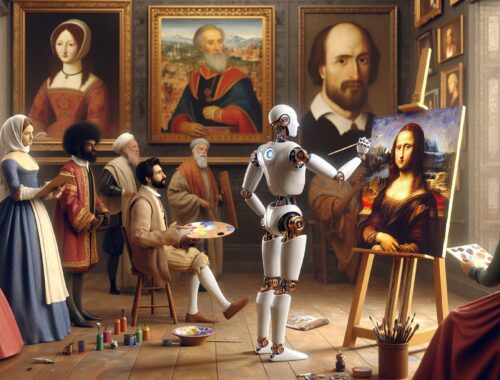
Have you heard of AI-generated art fetching jaw-dropping prices at auctions? Yeah, it’s a thing now. One groundbreaking example is the 2018 auction at Christie’s where an AI-constructed portrait sold for a whopping $432,500. What’s fascinating here is not just the price tag but what it symbolizes—a new form of art and expression.
A few key players like DeepArt and RunwayML are pioneering platforms where anyone, with or without artistic prowess, can create stunning pieces. They use neural networks (a fancy term, I know) that learn from existing artworks and blend styles to generate something spectacularly new. These tools are the Picasso of the Silicon Age, painting with pixels instead of paints.
Music: A Symphony of Silicon and Soul
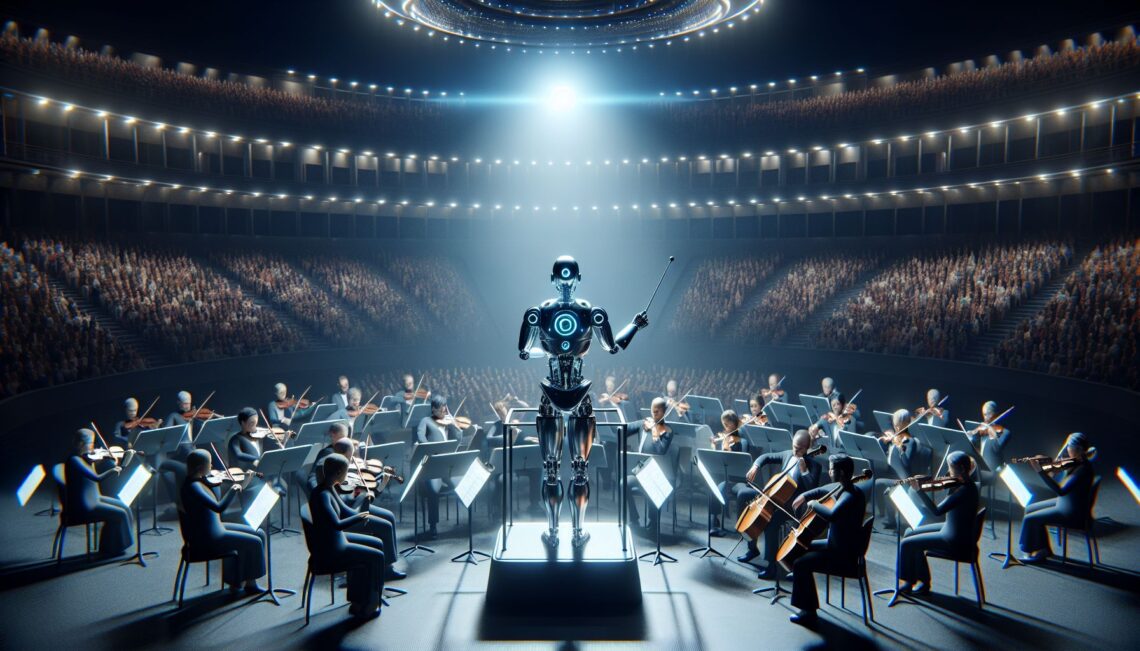
Let’s dive into another realm of creativity: music. If you’re a music lover (who isn’t?), you’ll find it intriguing that AI is composing music that can give seasoned composers a run for their money. AI platforms like OpenAI’s MuseNet explore this musical frontier with creativity and finesse. MuseNet can generate four-minute musical compositions with ten different instruments, exploring styles from Mozart to Lady Gaga (!).
The secret sauce here is a combination of vast datasets and clever algorithms that understand the structure, pace, and emotional depth of music. Imagine a scenario where your personal AI DJ creates a bespoke playlist tuned perfectly to your mood—sounds like a futuristic dream, right?
Buzzwords and Real World Adoption
By now, AI tools like Jukedeck and Amper Music are making splashes in the music industry by offering custom-created tunes that are being used for everything from YouTube videos to indie film scores. Even big names like Sony are dabbling in creating AI-generated hits—check out ‘Flow Machines’ if you’re curious about AI’s dabble in experimental pop culture artistry.
The Written Word: AI’s Literary Foray
As a writer, this part blows my mind a bit. AI’s capabilities don’t stop at art and music; they extend right into the realm of prose. AI can craft stories, articles, and even poems thanks to vast language models (I’m looking at you, GPT). In fact, some authors are collaborating with AI to co-write novels, merge storytelling styles, and invent totally new genres of literature. Think about it as a writing buddy that never sleeps, unless it overheats.
Fact or Fiction?
Before you let sci-fi fears take over, let’s dial it back a bit. AIs aren’t replacing authors (at least not anytime soon). What they offer is a unique assistantship—always ready to brainstorm, find that elusive word, or even help bust through writer’s block. The AI doesn’t replace our creativity; it amplifies it, making collaboration between the human and machine not only intriguing but also incredibly productive.
Bright Future or Cautionary Tale?
With all the breakthroughs, there’s plenty to be excited about but naturally, a few challenges toddle alongside. Questions about ownership, ethics, and authenticity arise—is an AI-generated painting as valuable as one done by human hands? What about AI’s role in copyright laws for music or the ethics of ghostwriting novels?
While I don’t have definite answers (yet), it’s worth contemplating if our definition of art, music, and literature could expand in revolutionary ways. As we inch closer to a world where AI seamlessly integrates into creative pursuits, there’s opportunity not just to redefine human creativity, but also our relationship with technology itself.
The Takeaway
So, there you have it—AI as the surreal maestro of creativity, crafting new landscapes in the art, music, and literary worlds. We’re standing at a crossroad where the digital meets the human experience in a harmonious ballet of spectacular innovation. Okay, maybe I’m being a bit dramatic, but isn’t creativity all about stretching boundaries and reimagining the ordinary?
Whether you’re an artist eager to collaborate with a digital muse, or a tech enthusiast fascinated by AI’s next chapter, one thing is clear: AI’s playground of creativity is set to grow. Let’s embrace this adventure, and perhaps in the not-so-distant future, we’ll be grooving to AI-made tunes, admiring AI-painted masterpieces, and devouring AI-written bestsellers with gusto.
Catch you on the flip side, fellow tech explorer! Keep creating and stay curious.