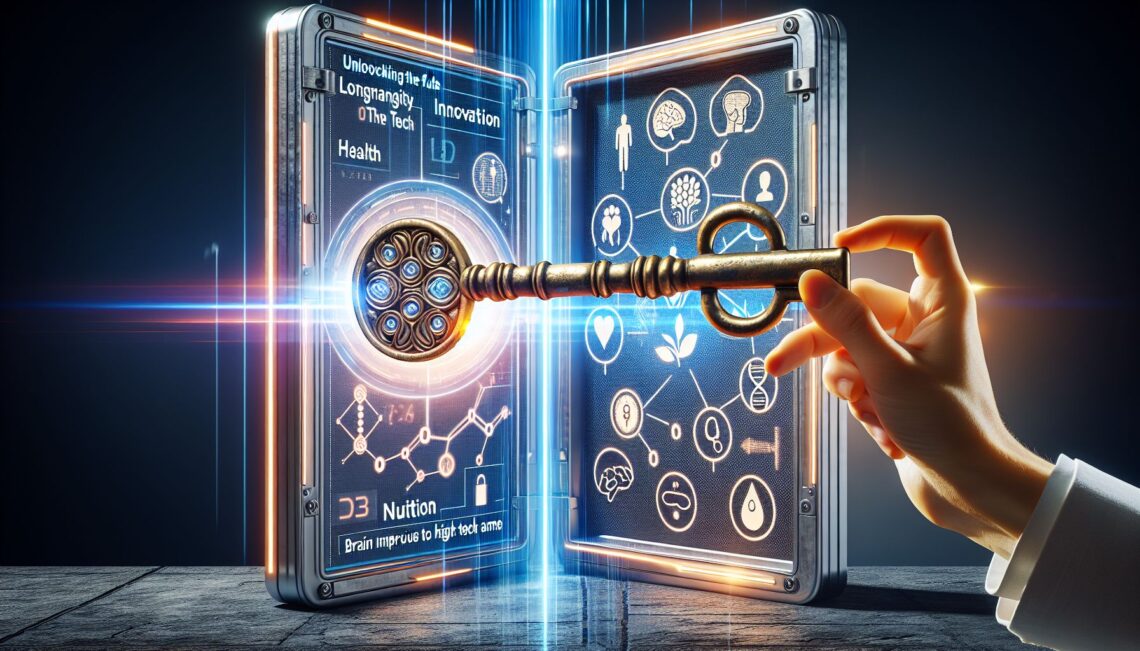
Unlocking the Future: How Longevity Tech is Changing the Game Forever
Hey there, fellow tech adventurers! Today, we’re diving deep into a world that’s often overlooked but bursting with potential: Longevity tech. Yep, the idea that we can extend our lives, not just in quantity but also in quality. So grab your virtual backpacks and let’s embark on this journey into the future where aging might just become an optional extra.
Why Live Longer Anyway?
First things first, let’s tackle the big question: Why do we even want to live longer? It’s a fair ask, especially when we’ve got daily commutes, taxes, and the occasional existential crisis to deal with. But imagine a world where you could extend your healthy years—not just add more trips around the sun but spend them skiing down slopes, learning new languages, or binge-watching future seasons of “Stranger Things.”
Living longer means having more time to explore passions, innovate, and give back. So, it’s not just for kicks; it’s about potentially reshaping societal norms and expectations.
The Biohacking Boom
Okay, so how do we even get there? Enter biohacking, one of the more edgy components of Longevity tech. Biohacking is essentially hacking biology—think of it as uploading a cheat code into your own biology to optimize health and wellness. People are experimenting with everything from nootropics (smart drugs that promise to supercharge cognitive functions) to gene editing with CRISPR, all in the quest to age gracefully.
While some biohacks are as simple as altering your diet, others are on the fringes of science fiction. Ever heard of Dave Asprey? The guy who popularized Bulletproof Coffee is a self-declared biohacker who’s on a mission to live till 180. And he’s not just sipping butter-laden coffee to get there but diving into the cutting edge of health science.
A Peek into Genomics and CRISPR
Biohacking dovetails nicely into the realm of genomics and CRISPR. Ever since Francis Crick and James Watson discovered the double helix structure of DNA, we’ve been in a race to understand—and manipulate—what makes us tick.
CRISPR—short for Clustered Regularly Interspaced Short Palindromic Repeats—is essentially a pair of molecular scissors and has made gene editing as easy as pie. Companies like Editas Medicine and CRISPR Therapeutics are racing to edit out the bits in our genetic code that make us age.
Imagine being able to snip away genes that lead to heart disease or Alzheimer’s. That’s not just a pipe dream anymore; it’s currently being tested in labs and could soon be part of our healthcare reality.
The Role of AI in Longevity
Now, let’s add a little AI oil to this longevity engine. Artificial Intelligence is not just for making memes go viral; it’s playing a massive role in advancing Longevity tech. AI can process terabytes of genetic data to pinpoint where things might go wrong before they do. It’s like having the detective skills of Sherlock Holmes but with supercharged DNA anleyzation capabilities.
Using machine learning, companies are developing predictive models to foresee future health issues. This could mean more personalized medicine tailored to your specific genetic makeup. AI’s sophistication is such that it might not be long before you get a ping on your smartwatch about preventing an illness long before it appears!
Challenges and Ethical Quirks
Of course, this tech utopia doesn’t come without its challenges and ethical quandaries. Should everyone have access to this kind of technology, or will it just widen the healthcare inequality gap? And what about the societal implications of longer life spans? Will we be able to cope with even larger population sizes?
These are the questions we’re wrestling with in this Longevity race. Policymakers and tech developers need to collaborate, ensuring accessibility and ethical integrity while fostering innovation.
Speculating About the Future
Now, let’s do what we tech enthusiasts love most: speculate wildly about the future. Fast forward to a not-so-distant reality where Longevity tech is widespread. Picture a society where retiring at 65 seems premature, and “midlife” crises occur around 90. We could be looking at new career paths, shifts in family dynamics, and a transformed healthcare system designed for this new norm.
With Longevity tech, we’re not just adding years to life; we’re adding life to years. And honestly, I can’t imagine a more thrilling time to be alive (and aging, just slower).
Conclusion
Perhaps you’re thinking, how realistic is this future? The honest answer: more than you might expect. Our lifespans have been increasing steadily for decades, and if technology continues on its current trajectory, who knows? You might be around to read a post like this a hundred years from now—assuming we’ve upgraded from blogs to mind melds by then!
Until then, keep questioning, exploring, and geeking out. Longevity tech isn’t just science; it’s a countdown to our future. Now, pass me my bio-enhanced kale smoothie, will you? 🍹
Remember, the future’s worth investing in because, well, we might be spending a lot of time there.
Thanks for sticking around through this futuristic ride! Let me know your thoughts, dreams, or favorite sci-fi movies in the comments below. Or, just say hi—I’m always weirdly excited to talk tech!